A CRM that updates itself
We connect your CRM to the systems around it, so records stay current without anyone typing them twice — and your pipeline reflects reality.
A CRM is only as good as the data people remember to enter
Most CRM problems are not CRM problems. The system is fine; the data entry is manual, so it happens late, inconsistently, or not at all. Then the pipeline is wrong, the forecast is wrong, and people stop trusting the reports.
- The same information entered into two or three systems
- Records that go stale because updating them is someone's least favourite task
- Pipeline stages that no longer reflect what is actually happening
- Reporting nobody trusts, so decisions get made on instinct
What we build
We connect the CRM to the systems that already hold the truth — inboxes, calendars, forms, billing, support — so records update from real events instead of from recollection.
- Two-way sync between your CRM and connected systems
- Records created and updated from real activity
- Stage transitions driven by events rather than by memory
- Deduplication and validation on the way in
- Reporting built on data that maintains itself
How the engagement runs
Audit the data flow
We map where each piece of information originates and where it is currently re-typed.
Design the sync
Which system is authoritative for which field, and what happens on conflict.
Build and backfill
We build the integration and address the existing data quality problems rather than automating around them.
Monitor
Sync failures alert rather than accumulating silently.
Related work
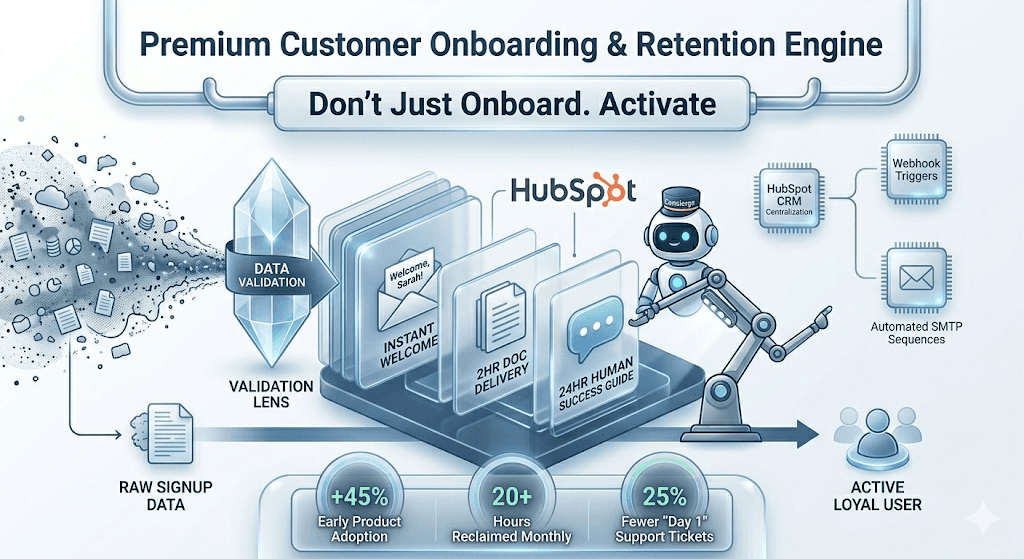
Premium Customer Onboarding & Retention Engine
Orchestrating High-Touch, Automated Post-Purchase Experiences at Scale
Read the case study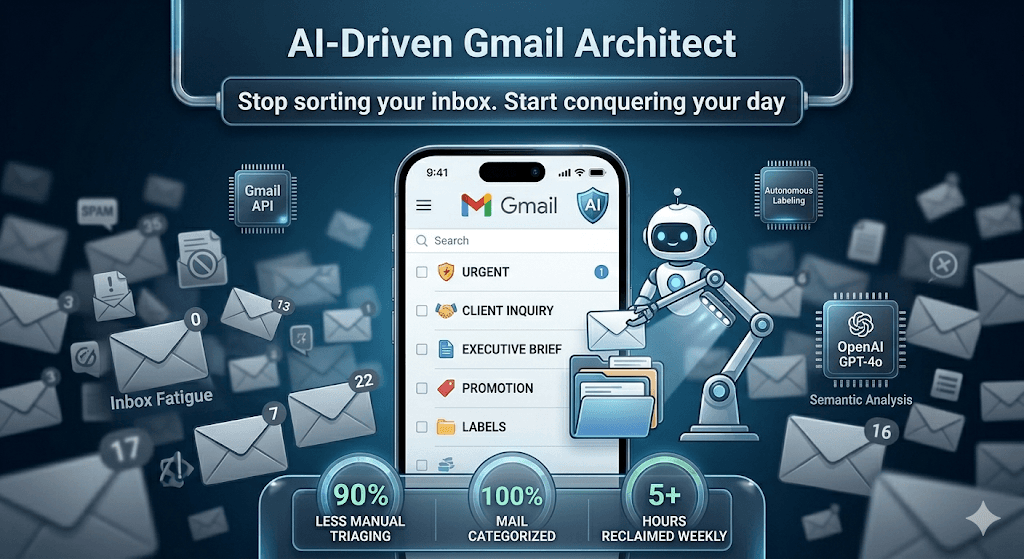
AI-Driven Gmail Architect
Reclaiming the Inbox through Intelligent, Real-Time Email Orchestration
Read the case study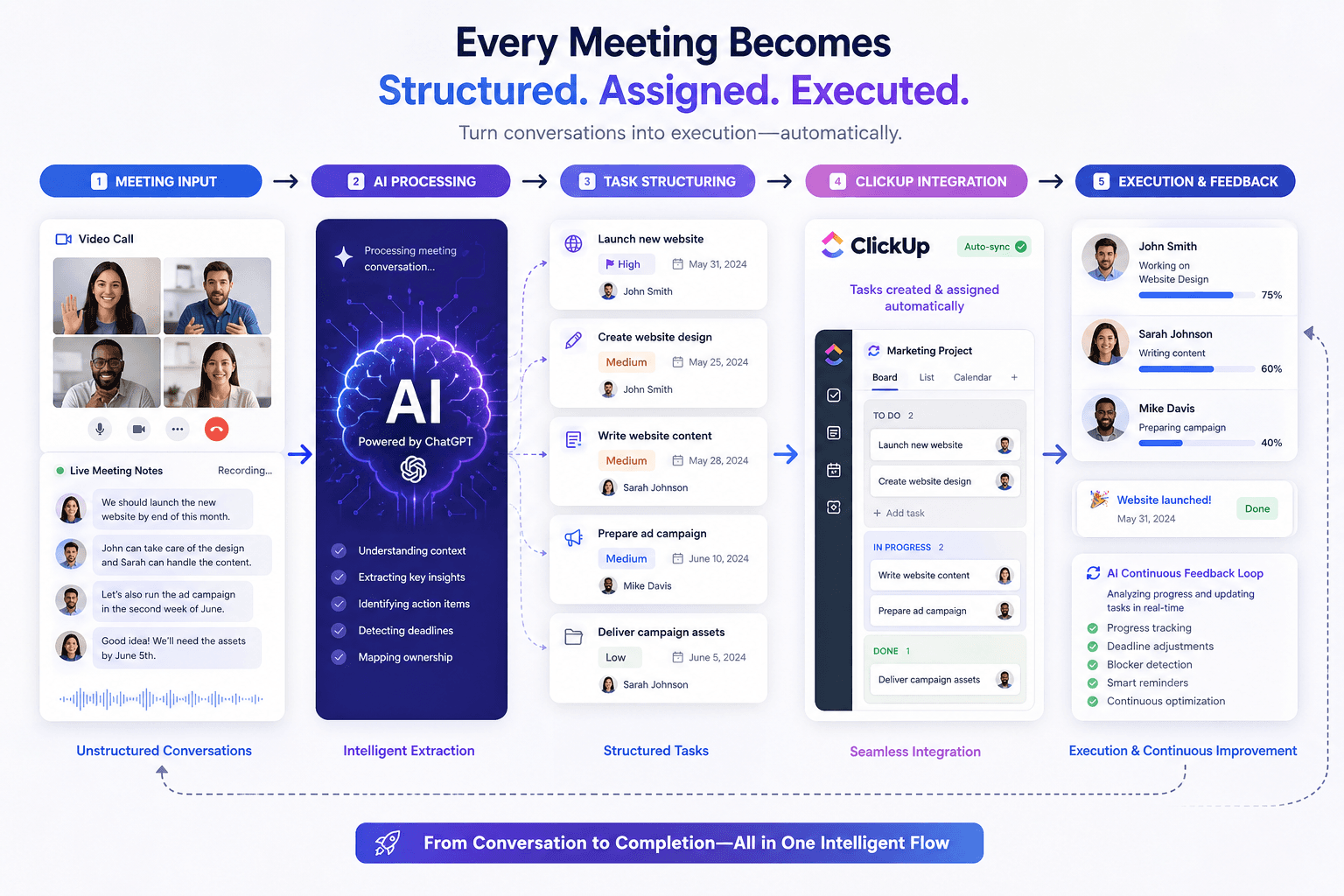
Every Meeting Becomes Structured. Assigned. Executed.
Turning meeting notes into structured, assigned ClickUp tasks automatically.
Read the case studyFrequently asked questions
Which CRMs do you work with?
What about our existing messy data?
Can it sync in both directions?
How do we know if a sync breaks?
Will this disrupt the team while it is being built?
Tell us what you want to automate
A short call to scope the workflow, followed by a written proposal with scope, timeline and cost before any work begins.